
When people search 'Wildflower Cases net worth,' they are almost always looking for financial information about the phone accessory brand Wildflower Cases, blank" rel="noopener noreferrer">the company co-founded by Devon Lee Carlson and Sydney Lynn Carlson (along with their mother, Michelle Carlson). The brand itself is privately held, so there is no single audited figure on the books, but based on revenue estimates, brand valuation signals, and the documented wealth of its founders, Wildflower Cases as a business is estimated to be worth somewhere in the range of $10 million to $30 million, with Devon Lee Carlson's personal net worth most frequently cited in the $1 million to $5 million range across celebrity wealth trackers as of 2025–2026.
Wildflower Cases Net Worth: Estimate, Assets, and Sources

Which 'Wildflower' Are We Actually Talking About?

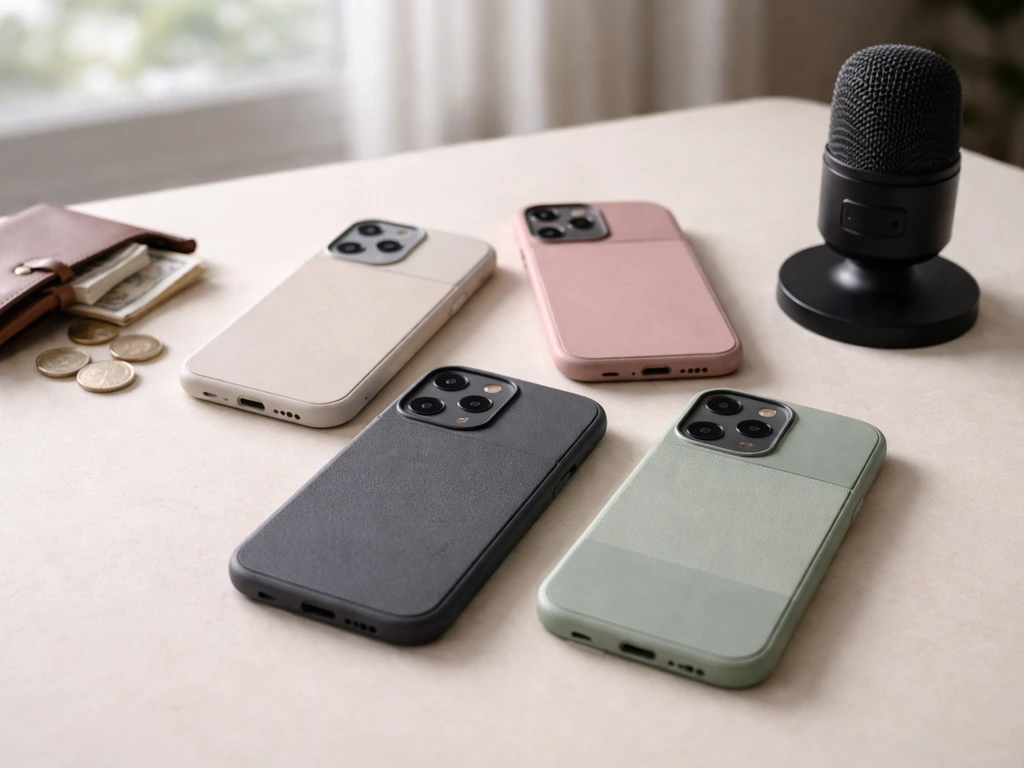
There are at least two distinct entities that surface when you search 'Wildflower net worth,' and getting them confused leads to completely wrong figures. The first, and most common search result, is Wildflower Cases, the Los Angeles-based iPhone and phone accessory brand founded around 2012 by Devon Lee Carlson and Sydney Lynn Carlson. The second is Wildflower Brands Inc. (previously Wildflower Marijuana Inc.), a publicly traded cannabis and wellness company that trades under the ticker SUN and has its own entirely separate financial disclosures, stock price, and investor profile. If you came here from a search about stylish phone cases associated with influencer culture, you want Wildflower Cases. If you are looking for a cannabis investment or stock analysis, you want Wildflower Brands Inc., which is a different company with different financials and is not what most general readers mean by 'Wildflower Cases net worth.'
This article focuses entirely on Wildflower Cases and its founders, since that is overwhelmingly the dominant search intent behind this query. Where references to 'Wildflower case net worth' appear, they typically refer to the brand's financial value or the personal wealth of the Carlson sisters who built it.
The Net Worth Estimate for Wildflower Cases
Because Wildflower Cases is a private company, it does not file public earnings reports or disclose revenue figures. Estimates of its value come from a patchwork of signals: social media reach of its founders, retail pricing, distribution scale, and comparative brand valuations in the direct-to-consumer accessories space. Based on those signals, the brand is estimated to generate annual revenues in the low-to-mid millions of dollars, placing its business valuation conservatively in the $10 million to $30 million range depending on the multiple applied. Some optimistic estimates stretch higher given Devon Lee Carlson's influencer brand value, but those remain speculative.
Devon Lee Carlson, the most publicly prominent of the founders due to her social media following (which has exceeded 4 million on Instagram), carries a personal estimated net worth most commonly cited between $1 million and $5 million. Sydney Lynn Carlson, who has a similarly visible social presence and career in modeling and content creation, is estimated in a comparable range. These figures bundle income from Wildflower Cases, brand partnerships, sponsored content, and other ventures. Michelle Carlson, the founders' mother and co-founder, has no widely publicized individual net worth estimate.
How Wildflower Cases Built Its Wealth

The Carlson sisters launched Wildflower Cases in 2012 when Devon was still a teenager, initially selling hand-painted phone cases with a DIY aesthetic. The early appeal was genuine: the cases had an artsy, fashion-forward look that stood out from mass-market options, and they were priced in the $30 to $60 range, which positioned them as an accessible luxury item rather than a commodity.
The brand's growth accelerated as Devon and Sydney built their own social media followings, which became the company's most powerful marketing channel. Devon's friendship and collaboration with other prominent influencers, stylists, and musicians gave Wildflower Cases repeated organic exposure to large, fashion-conscious audiences. By the mid-2010s the brand was stocking cases for multiple iPhone generations and had moved from a home-based operation to a recognizable name in the accessories market.
Revenue diversification came gradually. Wildflower expanded beyond phone cases into broader lifestyle accessories and limited-edition drops, capitalizing on the scarcity model that drives engagement in streetwear and fashion. Devon's personal career also expanded into modeling campaigns and brand ambassadorships with higher-profile fashion labels, which fed back into Wildflower Cases' brand equity. By the early 2020s, the business had a dedicated e-commerce presence, a loyal repeat-customer base, and enough brand recognition to command premium pricing.
Key Income Streams
- Direct-to-consumer e-commerce sales of phone cases and accessories priced in the $35 to $70 range
- Limited-edition and collaboration drops that often sell out quickly and generate press coverage
- Sponsored content and brand partnerships for Devon and Sydney's individual social media accounts
- Modeling and creative campaign work for fashion and beauty brands
- Potential wholesale or retail placement deals (though the brand has historically emphasized its direct channel)
What's Known About Assets and Business Interests
As a private company, Wildflower Cases has not disclosed balance sheets, ownership structures, or asset inventories to the public. What is reasonably documented through public sources includes the brand's product line, its Los Angeles base of operations, and the founders' individual social media and brand partnership activity. Devon Lee Carlson has been publicly linked to a lifestyle in the Los Angeles creative scene, consistent with a mid-tier influencer income rather than extreme wealth, though she does not publicize real estate holdings or investment portfolios.
There are no publicly documented major acquisition offers, venture capital rounds, or IPO filings associated with Wildflower Cases, which means its valuation remains anchored to revenue-based estimates rather than market-priced transactions. The absence of a public funding history also means the founders likely retain full or near-full ownership, which is both a strength (they keep the upside) and a limitation for outside observers trying to put a number on the company.
How Wildflower Cases Compares to Industry Peers

To put the Wildflower Cases valuation in context, it helps to look at where it sits relative to similar influencer-founded or direct-to-consumer accessory brands. The phone case market is crowded, ranging from mass-market players generating hundreds of millions in revenue down to boutique brands doing a few million per year. Wildflower Cases operates in a niche but defensible position as a fashion-forward, creator-backed brand.
| Brand / Creator | Est. Brand Value / Net Worth | Revenue Model | Public or Private |
|---|---|---|---|
| Wildflower Cases (Carlson sisters) | $10M–$30M (brand est.) | DTC e-commerce, collabs | Private |
| Case-Mate (mid-tier brand) | $50M+ (industry est.) | Wholesale + DTC | Private |
| Casetify | $300M+ (valuation reported 2021) | DTC + brand collabs | Private |
| Wildflower Brands Inc. (cannabis) | Publicly traded, separate financials | Cannabis/wellness products | Public (SUN) |
Wildflower Cases punches above its revenue weight in terms of brand awareness because of its founders' social media presence. Casetify, by comparison, raised significant outside investment and scaled its collaboration model aggressively, reaching a valuation that dwarfs Wildflower Cases. That comparison illustrates both the ceiling that outside capital can unlock and the reason Wildflower Cases remains a smaller but more intimate brand. For readers familiar with other influencer-era wealth stories, the Carlson sisters' financial profile is broadly comparable to other creator-entrepreneurs who monetized early social media followings into product businesses rather than pure content careers.
How Reliable Is This Estimate?
Treat every number in this article as an informed estimate, not a confirmed figure. The sources behind celebrity and creator net worth estimates are almost always secondary: wealth tracker sites aggregate signals from social media following size, sponsorship rate benchmarks, product pricing, and occasional press coverage. None of those methods produce audit-quality numbers. For a private company like Wildflower Cases with no disclosed financials and no outside investment to anchor a valuation, the uncertainty band is wider than it would be for a publicly traded company or a startup with a documented funding round.
The most common error in net worth reporting on brands like this is conflating the brand's estimated valuation with the founders' personal liquid net worth. If you are hunting for one woman's wilderness: net worth, start by separating personal wealth claims from the brand value estimates. For similar creator-to-business comparisons, you can also review Dainty Wilder net worth estimates and how they change as her brand footprint grows. Even if Wildflower Cases is worth $20 million on paper, that does not mean Devon Lee Carlson has $20 million in the bank. Business value, cash on hand, and personal wealth are three different things. A second common pitfall is using outdated estimates that have not been revised as the brand grows or contracts. The figures cited here reflect data available through 2025–2026, but the brand's trajectory could shift meaningfully in either direction depending on product launches, competitive dynamics, or changes in the founders' public profiles.
How to Find the Most Current Numbers
If you need the most up-to-date estimate, here is a practical research approach that goes beyond a single Google search.
- Check dedicated celebrity and creator net worth aggregator sites, filtering for entries dated within the last 12 months. Look for sites that cite methodology, not just headline numbers.
- Search Devon Lee Carlson and Sydney Lynn Carlson individually, since their personal net worth figures are tracked more frequently than the brand entity itself.
- Monitor Wildflower Cases' social media and e-commerce activity for signals of scale: new product lines, retail partnerships, or celebrity collaborations often indicate revenue growth.
- Search business news databases for any press coverage of funding rounds, acquisitions, or brand licensing deals involving Wildflower Cases, since those events would anchor a more concrete valuation.
- For the cannabis company Wildflower Brands Inc., check its investor relations page directly or financial data platforms like Investing.com, which track its public stock performance and financials separately from the phone-case brand.
- Cross-reference multiple wealth tracker estimates and note the range rather than trusting any single number. A consistent range across sources is a better signal than one outlier figure.
The broader influencer-entrepreneur category, which includes creator-founded brands across fashion, beauty, and lifestyle, is one of the faster-moving wealth segments to track. Comparable profiles worth looking at for context include figures like Dainty Wilder and Val Westover, who represent similar creator-to-business trajectories, as well as Erinn Westbrook, whose public profile spans entertainment and lifestyle branding. The patterns in how these individuals build and document wealth offer useful framing for understanding what Wildflower Cases' financial story likely looks like behind the scenes.
FAQ
Why do some sites give wildly different answers for Wildflower Cases net worth?
Because the brand is private, calculators rely on different assumptions (revenue range, profit margin, and valuation multiple). Small changes in any one assumption can move a $10 million to $30 million estimate to something higher or lower, and many sites do not clearly separate brand value from personal wealth.
Is the “Wildflower Cases net worth” estimate the same thing as the founders’ bank account?
No. A business valuation is not liquid cash. The founders may hold most of their wealth in equity, while the company’s value also reflects inventory, brand equity, and future earning power, which do not equal spendable money.
How can I tell if a page is talking about Wildflower Cases or the cannabis company Wildflower Brands (SUN)?
Check for brand context. Wildflower Cases stories reference iPhone cases, Los Angeles lifestyle accessories, and the Carlson sisters’ influencer work. If the page discusses stocks, tickers, investors, or cannabis operations, it is about Wildflower Brands Inc., not the phone-case brand.
What financial details would most improve the accuracy of Wildflower Cases valuation?
Documented revenue by product category, gross margin, repeat-customer rates, and an actual ownership structure (how much of the company is held by the founders). Without those, valuations remain scenario-based estimates rather than grounded calculations.
Could Wildflower Cases be worth outside the $10 million to $30 million range mentioned?
Yes, but for a different reason than most people assume. It would likely move due to tangible changes like sustained revenue growth, major distribution expansion, or a meaningful acquisition, not because a single wealth tracker recalculated the founders’ social media influence.
Do major influencer earnings like Devon Lee Carlson’s sponsorships significantly change the brand valuation?
They can change brand economics indirectly, but not always in a one-to-one way. Partnerships may boost sales and conversion, strengthening brand revenue and pricing power, but they do not automatically translate to a higher enterprise value unless they improve sustained company performance.
If there are no venture rounds or IPO filings, what does that imply about valuation reliability?
It usually means fewer hard anchors. Without funding history, valuation is derived from indirect signals like pricing and social reach, so confidence should be lower than for startups with reported metrics or publicly documented transactions.
Is it possible that the Carlson sisters own less than people assume?
It is possible. Even without publicly reported venture rounds, ownership can be affected by early investors, revenue-share arrangements, IP licensing, or internal transfers. Since ownership details are not public, you should treat “full ownership” as a reasonable assumption, not a confirmed fact.
How often should I update estimates for Wildflower Cases net worth?
At least annually, and more often after major product or distribution changes. New limited-edition drops, expansion into new accessory lines, or large shifts in founder visibility can materially affect revenue expectations and the multiples used by valuation models.
What is a common mistake when comparing Wildflower Cases to Casetify for “net worth” or valuation?
Comparing valuations without comparing capital structure and funding. Casetify’s outside investment and aggressive scaling can justify a different valuation model, while a smaller, largely founder-owned brand may have lower valuation even if revenue is decent, simply due to different growth and risk profiles.
How can I do a quick self-check of a Wildflower Cases net worth claim I see online?
Verify that the site separates (1) brand valuation, (2) founder personal net worth, and (3) the correct company identity. Then look for whether the estimate explains a revenue assumption and a multiple. Claims without methodology or with mixed-up entities are the most likely to be inaccurate.
Dainty Wilder Net Worth Estimate: How to Verify Sources
Learn how to verify dainty wilder net worth claims, compare sources, and build an evidence-based wealth estimate.